Italian Chicken Pastina Soup
Italian Chicken Pastina Soup is the kind of dish that feels like a warm hug in a bowl. In Italy, pastina, which simply means “little pasta,” has long been the first comfort food many children ever eat, and it’s the soup Italian grandmothers famously make when someone is feeling under the weather. It’s so cherished for its soothing qualities that it’s often lovingly called “Italian penicillin.”
This version builds on that tradition with a classic soffritto of onion, carrots, and celery gently sautéed in olive oil and butter, then simmered in a balanced blend of chicken stock, broth, and water until the vegetables are sweet and tender.
Tiny pasta stars or acini di pepe cook right in the pot, absorbing the savory broth and giving the soup a cozy, silky body. Shredded rotisserie chicken makes it hearty and quick, and a final shower of Parmesan, fresh herbs, and black pepper adds richness and brightness. It’s simple, nourishing, and endlessly comforting, the kind of soup that brings people back to the table again and again.
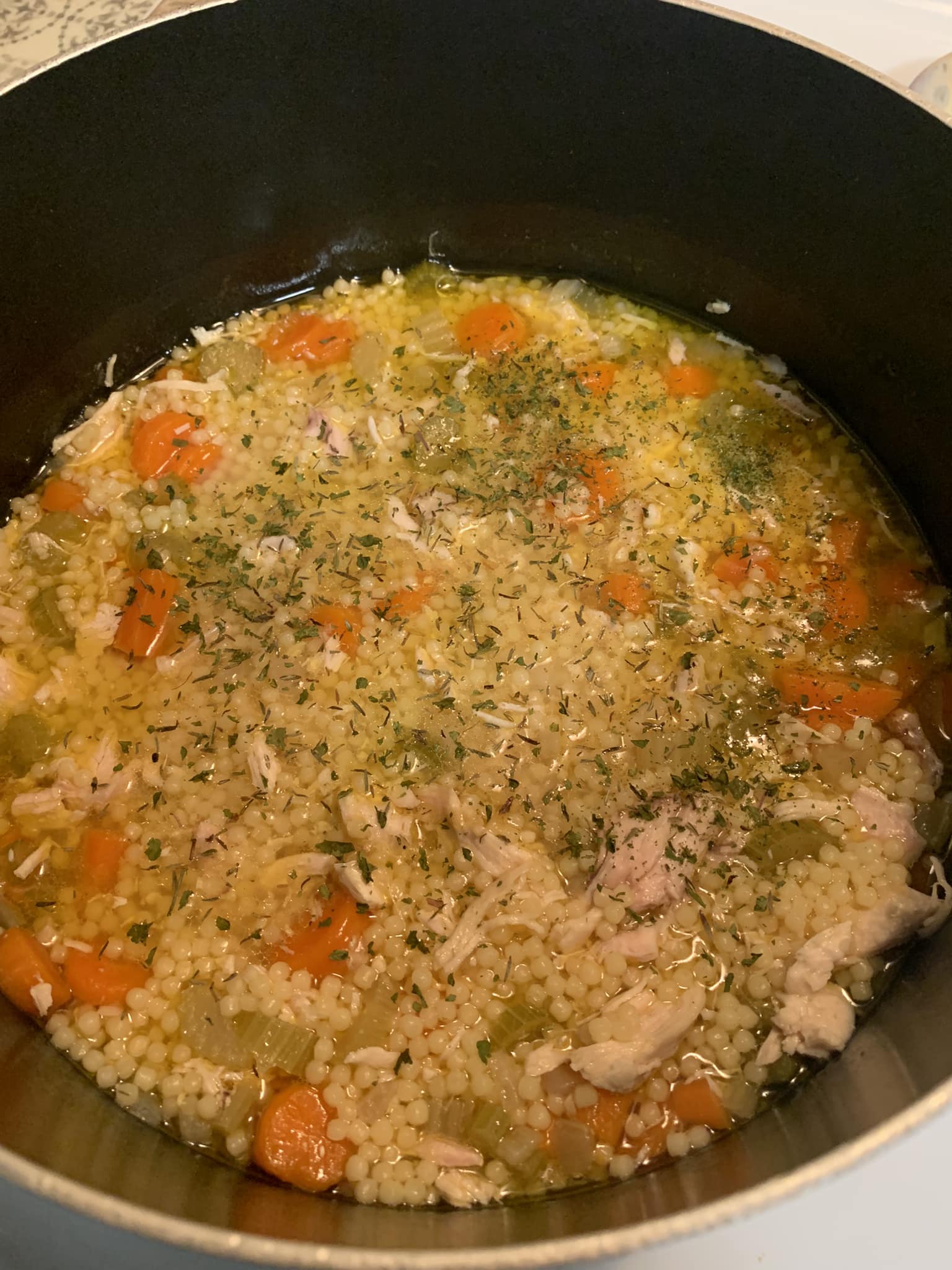
Why People Will Love Italian Chicken Pastina Soup Recipe
Ultimate comfort food: Warm, gentle, and soothing, it’s the perfect soup for chilly days, sick days, or anytime you need a little comfort.
A beloved Italian tradition: Pastina soup has been a cherished staple in Italian homes for generations, known as “Italian penicillin.”
Tiny pasta, big appeal: Little pasta shapes are fun to eat, easy to spoon, and especially loved by kids.
Rich, flavorful broth: Blending stock, broth, and water creates a balanced, savory broth that’s flavorful without being overly salty.
Sweet, tender vegetables: The soffritto of onion, carrots, and celery adds natural sweetness and depth.
Quick and easy: Using rotisserie or leftover chicken saves time and effort.
One-pot meal: Everything cooks in a single pot, which means minimal cleanup.
Kid-friendly: Mild flavors and tiny pasta make it a favorite with children and picky eaters.
Light yet satisfying: It’s nourishing and filling without feeling heavy.
Budget-friendly: Simple pantry staples and leftover chicken make it very economical.
Great for using leftovers: It’s an ideal way to use up leftover roast or rotisserie chicken.
Customizable: Add spinach, lemon, egg, or different herbs to make it your own.
Perfect for meal prep: It makes a big batch for lunches and easy dinners throughout the week.
Key Ingredients
Pastina: The heart of the soup. These tiny pasta shapes, like stelline (stars), acini di pepe, or orzo, cook quickly, absorb the broth, and give the soup a cozy, silky texture. Their small size makes every spoonful perfectly balanced.
Olive oil and butter: Together they create a rich, flavorful base for sautéing the vegetables. Olive oil adds fruity depth, while butter brings richness and helps the vegetables caramelize gently.
Sweet onion: It softens into a mild, sweet, aromatic base that gives the broth natural depth.
Carrots: They add sweetness, color, and a tender bite. Slicing them into rounds gives the soup a classic, homestyle look.
Celery: Adds a subtle savory, herbal note that balances the sweetness of the carrots and onion. Together, onion, carrots, and celery form the Italian soffritto.
Garlic: Brings warm, aromatic flavor that deepens the broth.
Chicken stock, broth, and water: This blend is the secret to a balanced broth. Stock adds body and richness, broth adds seasoning, and water keeps the soup from becoming too salty or heavy.
Rotisserie or leftover chicken: Already cooked and seasoned, it adds savory flavor and tender protein while saving time.
Kosher salt: Seasons the broth evenly. Kosher salt is easier to control and adjust than table salt.
Parmesan cheese: A sprinkle adds nutty, savory richness and a touch of umami that makes the soup taste distinctly Italian.
Fresh parsley and thyme: They add brightness, color, and a fresh herbal aroma.
Expert Tips
Cut vegetables evenly: Uniform pieces cook at the same rate, ensuring every vegetable is perfectly tender.
Don’t rush the soffritto: Let the onion, carrots, and celery cook gently until softened. This builds a sweet, flavorful foundation.
Add garlic after the vegetables soften: Garlic burns quickly. Adding it later prevents bitterness.
Add a Parmesan rind: Toss a Parmesan rind into the simmering broth for deep, savory, umami flavor. Remove it before serving.
Season gradually: Stock and broth vary in saltiness, especially store-bought ones. Start with less salt and adjust at the end.
Use quality broth: Homemade or a good-quality store-bought stock makes a big difference in a simple soup like this.
Cook pastina separately for leftovers: Pastina keeps absorbing broth as it sits. If you plan to store leftovers, cook the pasta separately and add it to individual bowls.
Stir while the pasta cooks: Tiny pasta can stick to the bottom of the pot. Stir occasionally while it simmers.
Don’t overcook the pasta: Pastina cooks quickly. Taste it a minute or two before the package time to keep it tender, not mushy.
Add the chicken at the end: Since the chicken is already cooked, stirring it in at the end keeps it tender and prevents it from drying out.
Brighten with lemon: A squeeze of fresh lemon juice just before serving adds a lovely, fresh brightness.
Try the Italian egg trick: Whisk an egg with a little Parmesan and slowly stir it into the hot soup for a richer, silky texture, similar to stracciatella.
Use fresh herbs: Add fresh parsley and thyme just before serving for the brightest flavor.
Grate Parmesan fresh: Freshly grated Parmigiano-Reggiano melts better and tastes far richer than pre-grated cheese.
Italian Chicken Pastina Soup
Ingredients
Extra-virgin olive oil: 2 tablespoons
Butter: 1 tablespoon
Sweet onion: 1 medium, finely chopped
Carrots: 4 medium, peeled and cut into ¼-inch coins
Celery: 4 stalks, finely chopped
Garlic: 4 medium cloves, minced (or 2 teaspoons jarred minced garlic)
Liquid: 10 cups total (about one-third chicken stock, one-third chicken broth, and one-third water)
Kosher salt: ¾ teaspoon, plus more to taste
Pastina: ⅔ to 1 cup, uncooked (use the larger amount for a thicker soup)
Cooked chicken: 2½–3 cups, shredded (rotisserie, leftover, or baked chicken breast)
Parmesan cheese: grated, for serving
Fresh parsley and thyme: for garnish (optional)
Black pepper: freshly ground, for serving
Instructions
Step 1: Cook the vegetables.
Warm the olive oil and butter in a large soup pot or Dutch oven over medium heat.
When the butter has melted, add the onion, celery, and carrots.
Cook for 4–5 minutes, stirring now and then, until the onion turns soft and see-through.
Add the garlic and cook for 2 more minutes, stirring often.
Step 2: Add the liquid and simmer.
Pour in the chicken stock, broth, and water, then add the salt.
Stir and bring to a boil.
Lower the heat to a gentle simmer and cook uncovered for 25–30 minutes, until the vegetables are tender.
Step 3: Cook the pastina.
Stir in the pastina.
Turn up the heat to bring the soup back to a boil, then lower it to a steady simmer.
Cook the pasta according to the package directions (acini di pepe usually takes about 9 minutes).
Step 4: Add the chicken.
When the pasta is tender, stir in the shredded chicken.
Cover the pot, turn off the heat, and let the soup sit for about 20 minutes so the flavors come together.
Step 5: Season.
Taste the soup and add more salt if needed.
Step 6: Serve.
Ladle into bowls and top with grated Parmesan and fresh parsley or thyme.
Finish with a little freshly ground black pepper and serve with crusty bread or dinner rolls.
Enjoy!
Important Notes When Making Italian Chicken Pastina Soup
Pastina absorbs liquid: The pasta continues to soak up broth as the soup rests. If it becomes too thick, add more broth or water.
Resting time matters: Letting the soup rest covered for 20 minutes helps the flavors meld, but the pasta will soften further. Reduce resting time if you prefer firmer pasta.
Different pastina shapes cook differently: Stelline, acini di pepe, ditalini, and orzo all have different cooking times. Always check the package.
Watch the salt: Rotisserie chicken, broth, and Parmesan all add salt. Taste the soup before seasoning further.
Use a large pot: With 10 cups of liquid, you’ll need at least a 6-quart pot or Dutch oven.
Remove the rotisserie chicken skin: For a cleaner broth and lighter soup, use only the meat.
Storage: Refrigerate leftovers in airtight containers for up to 3–4 days.
Freezing: Freeze the soup without the pasta for up to 3 months. Pasta becomes mushy when frozen and thawed, so cook fresh pastina when reheating.
Gluten-free option: Use gluten-free pastina or small gluten-free pasta, and check that your broth is gluten-free.
Allergens: This recipe contains wheat (pasta) and dairy (butter and Parmesan).
How to Enjoy Italian Chicken Pastina Soup After Cooking
Serve it warm and cozy. Ladle the soup into warm bowls right after resting, when the pasta is tender and the broth is full of flavor. Make sure each bowl has a good mix of chicken, vegetables, and pastina.
Add finishing touches.
Freshly grated Parmesan or Pecorino Romano
Chopped fresh parsley or thyme
Freshly cracked black pepper
A squeeze of fresh lemon juice
A drizzle of good extra-virgin olive oil
A pinch of red pepper flakes for gentle heat
Fresh basil leaves
Pair with classic sides.
Crusty Italian bread: Perfect for dipping into the broth.
Garlic bread: A comforting, crowd-pleasing side.
Focaccia: Soft, herby bread that pairs beautifully.
Dinner rolls: Warm and buttery for soaking up the soup.
Grilled cheese: A comforting soup-and-sandwich combination.
Caesar or green salad: A crisp, fresh contrast to the warm soup.
Antipasto platter: Cheeses, olives, and cured meats for an Italian-style meal.
Make it extra comforting. Stir in a beaten egg for a silky stracciatella-style finish, or add a handful of baby spinach or kale just before serving for extra color and nutrients.
Serve it as a soothing meal. Following Italian tradition, enjoy a warm bowl when you’re feeling tired, chilled, or under the weather. Its gentle flavor and warmth make it easy to eat and deeply comforting.
Pair with drinks. A light Italian white wine such as Pinot Grigio, Soave, or Vermentino pairs beautifully. For non-alcoholic options, try sparkling water with lemon, warm herbal tea, or Italian lemon soda.
Store and reheat leftovers.
Refrigerate: Cool completely and store in airtight containers for up to 3–4 days.
Stovetop: Reheat over medium heat, adding extra broth or water to loosen the soup, since the pasta absorbs liquid.
Microwave: Heat individual portions in 1–2 minute intervals, stirring between each and adding broth if needed.
Freeze: Freeze the soup base without pasta for up to 3 months, then add freshly cooked pastina when reheating.
Nutrition Information
Estimated per serving, based on 8 servings (about 1½ cups each), made with about ⅚ cup of pastina, 2¾ cups of shredded rotisserie chicken (skin removed), and the stock, broth, and water blend. Parmesan and garnishes not included.
Calories: 245 kcal | Total Fat: 10.3 g | Saturated Fat: 2.9 g | Monounsaturated Fat: 4.9 g | Polyunsaturated Fat: 1.7 g | Cholesterol: 46 mg | Sodium: 850–1,000 mg (depending on stock, broth, chicken, and added salt) | Total Carbohydrates: 20 g | Dietary Fiber: 2.1 g | Sugars: 2.9 g | Protein: 18 g
Note: Each tablespoon of grated Parmesan adds about 22 calories and 75 mg of sodium. Using low-sodium stock and broth can lower sodium to about 450–550 mg per serving.
Smart FAQs About This Recipe
What is pastina?
Pastina means “little pasta” in Italian. It refers to tiny pasta shapes like stelline (stars), acini di pepe (peppercorn-shaped), anellini (little rings), or very small orzo. It’s commonly used in soups and is a classic Italian comfort food.
Why is pastina soup called “Italian penicillin”?
It’s a nickname that reflects its reputation as a soothing, restorative dish that Italian families make for anyone feeling unwell. The warm broth, gentle flavors, and easy-to-eat pasta make it especially comforting.
Can I use other types of pasta?
Yes. Orzo, ditalini, small shells, or broken spaghetti all work. Larger pasta will take longer to cook and absorb more broth, so you may need to add extra liquid.
Is this soup good for kids?
Absolutely. The mild flavors, tender vegetables, and tiny pasta make it very kid-friendly. It’s also a great way to get children to eat more vegetables and protein.
Can I add more vegetables?
Yes. Spinach, kale, zucchini, peas, or diced potatoes all work well. Add hearty vegetables with the carrots and celery, and leafy greens at the very end.
Can I use raw chicken instead of cooked?
Yes. Add 1½ pounds of raw boneless chicken breasts or thighs to the broth with the vegetables and simmer for 20–25 minutes until cooked through. Remove, shred, and return the chicken to the pot after the pasta is cooked.
Why did my soup get so thick?
Pastina keeps absorbing liquid as it sits, especially during resting and storage. Simply stir in extra broth or water to reach your preferred consistency. For leftovers, cooking the pasta separately helps prevent this.
Can I make this soup ahead of time?
Yes. Make the soup base with vegetables and chicken up to 3 days ahead and refrigerate it. When ready to serve, reheat the broth and cook the pastina fresh for the best texture.
Can I make it in a slow cooker or Instant Pot?
Yes. In a slow cooker, sauté the vegetables first, then add the liquid and salt and cook on low for 5–6 hours or high for 3 hours. Stir in the pastina for the final 15–20 minutes, then add the chicken. In an Instant Pot, sauté the vegetables, add the liquid, and pressure cook for 5 minutes with a quick release. Add the pastina and cook on sauté mode until tender, then stir in the chicken.
Why use a blend of stock, broth, and water?
Stock is richer and has more body, broth is more seasoned, and water balances everything so the soup isn’t too salty or heavy. The blend creates a well-rounded, flavorful broth that lets the vegetables and chicken shine.