Creamy Chicken Piccata
Creamy Chicken Piccata is a rich, elegant twist on one of Italian-American cuisine’s most beloved classics. Piccata comes from the Italian word piccante, meaning “sharp” or “tangy,” and refers to a method of preparing thin, pan-fried cutlets in a bright sauce of lemon, butter, and capers.
The dish traces its roots to Italian veal piccata, but Italian-American cooks in the 20th century popularized the chicken version, which became a staple of family restaurants and home kitchens across the United States.
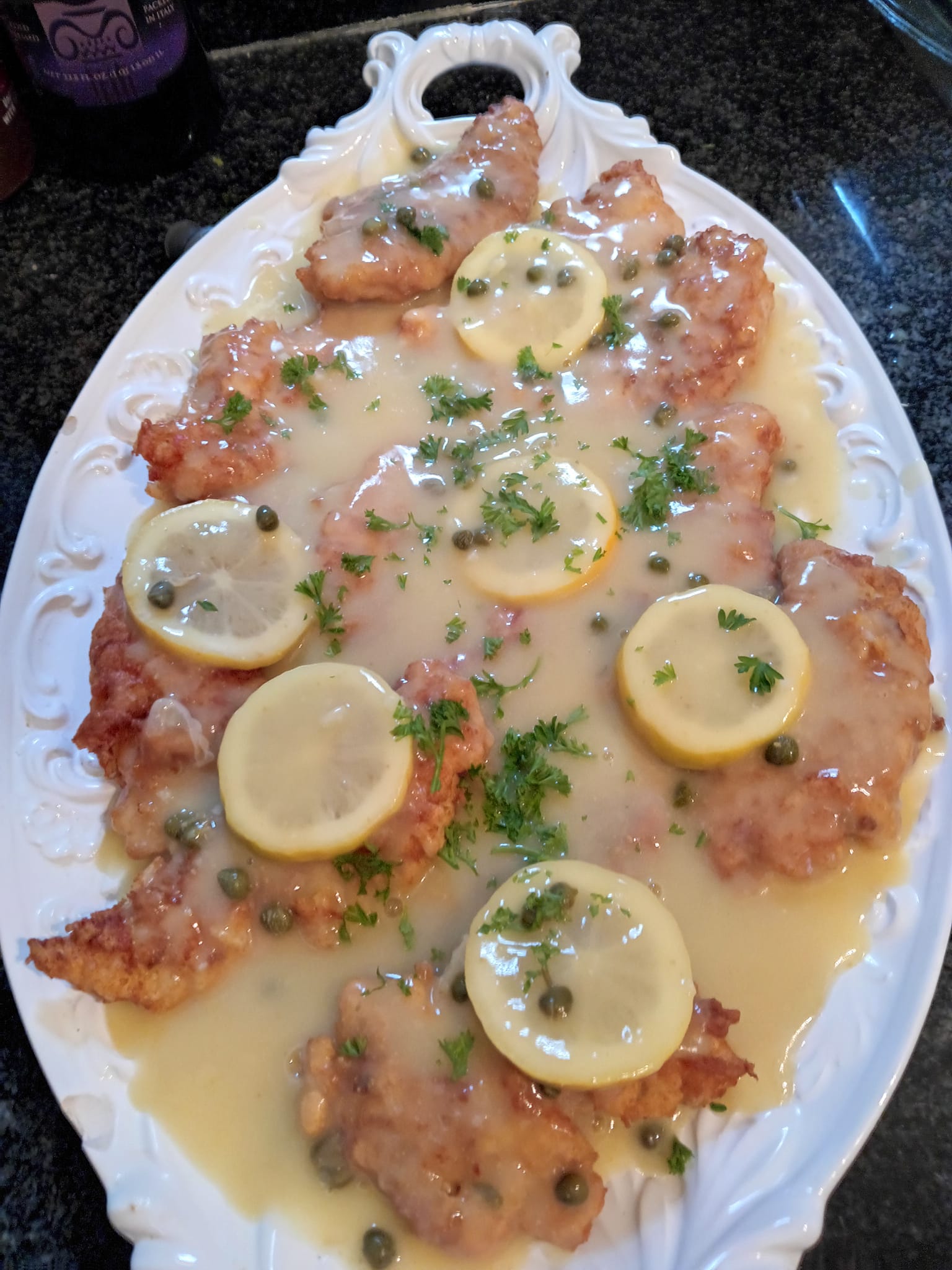
This creamy version keeps all the zesty character of the original while adding a velvety, luxurious finish. Chicken breasts are butterflied and pounded thin so they cook quickly and evenly, then lightly dredged in flour and pan-fried until golden and crisp. A splash of dry white wine deglazes the pan, capturing all the browned bits, while butter, garlic, and briny capers build an aromatic base. Fresh lemon juice and chicken stock simmer into a bright, tangy sauce, and a touch of heavy cream turns it silky and smooth. The tender cutlets are returned to the pan to soak up the sauce, finished with fresh parsley, and served over delicate angel hair pasta. It’s bright, buttery, creamy, and elegant, and ready in about 30 minutes.
Why People Will Love Creamy Chicken Piccata Recipe
A restaurant favorite at home: It tastes like the chicken piccata from your favorite Italian-American restaurant.
Bright and tangy: Fresh lemon and capers give the sauce a vibrant, zesty flavor.
Creamy and luxurious: A touch of heavy cream makes the sauce silky and rich without being heavy.
Tender, juicy chicken: Pounding the chicken thin ensures quick, even cooking and tender meat.
Golden, crispy coating: A light flour dredge creates a golden crust that soaks up the sauce.
Briny caper flavor: Capers add a salty, tangy pop that balances the creamy sauce.
Ready in about 30 minutes: Elegant enough for guests yet quick enough for weeknights.
One skillet for the chicken and sauce: Minimal cleanup.
Perfect with pasta: Angel hair pasta soaks up every drop of the creamy lemon sauce.
Impressive for special occasions: Ideal for date nights and dinner parties.
Balanced flavors: Tangy, buttery, creamy, and savory all in harmony.
Easy to customize: Serve over rice, mashed potatoes, or vegetables instead of pasta.
Key Ingredients
Boneless, skinless chicken breasts: Lean and mild, they become tender and juicy when butterflied and pounded thin. Thin cutlets cook quickly and evenly.
All-purpose flour: A light coating helps the chicken brown beautifully and gives the sauce a little body.
Olive oil: Used for pan-frying, it helps create a golden crust and adds a fruity, savory flavor.
Dry white wine: Deglazes the pan, lifting the flavorful browned bits, and adds bright acidity and depth.
Unsalted butter: Adds richness and a silky texture to the sauce. Unsalted butter lets you control the saltiness.
Garlic: Adds warm, aromatic flavor.
Capers: Small, briny flower buds that add a salty, tangy burst. They’re a signature piccata ingredient.
Fresh lemon juice: The heart of piccata, adding bright, zesty acidity that balances the rich sauce.
Chicken stock: Forms the savory base of the sauce.
Heavy cream: Turns the classic piccata sauce into a creamy, velvety sauce that clings to the chicken and pasta.
Fresh flat-leaf parsley: Adds fresh, herbal brightness and a pop of color.
Angel hair pasta: Thin, delicate pasta that soaks up the creamy lemon sauce beautifully.
Salt and pepper: Season the chicken and enhance all the flavors.
Expert Tips
Pound the chicken evenly: Aim for an even ¼-inch thickness so the cutlets cook uniformly and stay juicy.
Use parchment or plastic wrap: It prevents the chicken from tearing and splattering when pounding.
Pat the chicken dry: Removing moisture helps the flour stick and the chicken brown better.
Season the flour: Add a pinch of salt, pepper, and garlic powder to the flour for extra flavor.
Shake off excess flour: A thin, even coating prevents a gummy texture.
Get the oil hot: The oil should shimmer before adding the chicken for a golden, crisp crust.
Don’t overcrowd the pan: Cook in batches if needed so the chicken browns instead of steams.
Don’t move the chicken too soon: Let it develop a golden crust before flipping.
Use a dry white wine you’d drink: Pinot Grigio, Sauvignon Blanc, or Chardonnay work well.
Scrape up the browned bits: They add deep, savory flavor to the sauce.
Rinse the capers: Rinsing removes excess brine and salt for a cleaner flavor.
Add cream off high heat: Lower the heat before adding cream to keep the sauce smooth.
Use fresh lemon juice: Bottled juice lacks the bright flavor of fresh lemons.
Add lemon zest: A little grated zest boosts the citrus aroma.
Cook pasta al dente: It will soften slightly when tossed with the hot sauce.
Reserve pasta water: A splash helps loosen the sauce if it gets too thick.
Creamy Chicken Piccata
Ingredients
Boneless, skinless chicken breasts: 2
Salt: to taste
Black pepper: to taste
All-purpose flour: ⅔ cup (80 g)
Olive oil: 4 tablespoons
Dry white wine: ⅓ cup (80 ml)
Unsalted butter: 2 tablespoons
Garlic: 2 cloves, chopped
Capers: 2 tablespoons, drained
Lemon juice: 3 tablespoons, fresh
Chicken stock: 1½ cups (360 ml)
Heavy cream: ⅓ cup (80 ml)
Fresh flat-leaf parsley: 2 tablespoons, chopped
Angel hair pasta: 8 oz (225 g), cooked, for serving
Instructions
1. Flatten the chicken.
Butterfly each chicken breast by slicing it horizontally almost all the way through and opening it like a book.
Cover with parchment paper and pound to an even ¼ inch (6 mm) thickness.
Season both sides generously with salt and pepper.
2. Cut into cutlets.
Slice each flattened breast in half lengthwise to make 4 cutlets in total.
3. Dredge in flour.
Spread the flour in a wide, shallow dish.
Coat each cutlet in flour, shaking off any extra.
4. Pan-fry the chicken.
Warm the olive oil in a large skillet over medium heat.
Add the chicken and cook for 3–4 minutes per side, until golden brown and cooked through.
Move the chicken to a plate and set aside.
5. Deglaze with wine.
Pour the white wine into the skillet, scraping up the browned bits from the bottom.
Let it bubble for about 1 minute, until reduced by half.
6. Add the butter, garlic, and capers.
Stir in the butter, garlic, and capers and cook for about 2 minutes, until fragrant.
7. Simmer the sauce.
Add the lemon juice and chicken stock and simmer for about 5 minutes, until the sauce thickens slightly.
8. Add the cream and chicken.
Stir in the heavy cream, then return the chicken to the skillet.
9. Finish.
Sprinkle with parsley and turn the chicken to coat it in the sauce.
Simmer gently for 2 more minutes, until the sauce is slightly thicker, then take the pan off the heat.
10. Serve.
Spoon the chicken and creamy lemon sauce over the angel hair pasta.
Enjoy!
Important Notes When Making Creamy Chicken Piccata
Cook chicken thoroughly: The thickest part should reach 165°F (74°C).
Don’t boil the cream sauce hard: A gentle simmer prevents separation.
Lemon and cream balance: Adding lemon before cream and simmering gently helps prevent curdling.
Watch the salt: Capers and chicken stock are salty. Taste before adding extra salt.
Wine substitute: Replace the wine with extra chicken stock plus a splash of lemon juice or white wine vinegar.
Alcohol content: Most of the alcohol cooks off as the wine reduces.
Storage: Refrigerate chicken and sauce in an airtight container for up to 3 days. Store pasta separately.
Reheating: Warm gently over low heat with a splash of stock or cream.
Freezing: Not recommended, as cream sauces can separate and the coating may become soggy.
Gluten-free option: Use a gluten-free flour blend for dredging and gluten-free pasta.
Allergens: Contains wheat (flour and pasta) and dairy.
How to Enjoy Creamy Chicken Piccata After Cooking
Serve it immediately. Creamy chicken piccata is best enjoyed fresh, while the chicken is tender and the sauce is silky. Twirl the angel hair pasta onto plates, top with the chicken cutlets, and spoon plenty of sauce over everything.
Add finishing touches.
Extra chopped fresh parsley
Thin lemon slices for garnish
A sprinkle of grated Parmesan
Freshly cracked black pepper
A pinch of red pepper flakes for gentle heat
Extra capers for briny bursts
Try different bases.
Angel hair, linguine, or spaghetti: Classic pasta pairings.
Mashed potatoes: Creamy and comforting.
Rice or orzo: Great for soaking up the sauce.
Polenta: Soft and rich.
Zucchini noodles: A lighter, low-carb option.
Pair with sides.
Roasted asparagus: A classic piccata partner.
Sautéed green beans or spinach: Fresh and simple.
Steamed broccoli: Light and bright.
Caesar or arugula salad: A crisp, peppery contrast.
Garlic bread or crusty Italian bread: Perfect for mopping up the sauce.
Make it a special dinner. Start with a simple salad, serve the chicken piccata over pasta, and finish with a light dessert like lemon sorbet, tiramisu, or fresh berries.
Pair with drinks. Crisp white wines like Pinot Grigio, Sauvignon Blanc, or unoaked Chardonnay pair beautifully. Non-alcoholic options include sparkling water with lemon or Italian lemon soda.
Store and reheat.
Refrigerate: Store the chicken and sauce separately from the pasta for up to 3 days.
Stovetop: Reheat gently in a skillet with a splash of stock or cream.
Microwave: Heat in short intervals at medium power.
Refresh: Add a squeeze of fresh lemon and parsley before serving leftovers.
Nutrition Information
Estimated per serving, based on 4 servings (1 chicken cutlet with sauce over 2 oz dry angel hair pasta), made with two 8 oz chicken breasts, regular chicken stock, heavy cream, and unsalted butter, including only the flour and oil that cling to the chicken.
Calories: 600 kcal | Total Fat: 27.1 g | Saturated Fat: 10.6 g | Monounsaturated Fat: 12.2 g | Polyunsaturated Fat: 2.6 g | Cholesterol: 122 mg | Sodium: 800–950 mg (depending on stock, capers, and added salt) | Total Carbohydrates: 50 g | Dietary Fiber: 2.1 g | Sugars: 2.4 g | Protein: 34.7 g
Note: Served without pasta, each portion is about 390 calories and 8 g of carbohydrates. Using low-sodium chicken stock lowers sodium by about 220 mg per serving. Rinsing the capers also helps reduce sodium.
Smart FAQs About This Recipe
What does “piccata” mean?
Piccata comes from the Italian piccante, meaning “sharp” or “tangy.” It describes thin, pan-fried cutlets served in a bright lemon, butter, and caper sauce.
How is creamy chicken piccata different from classic piccata?
Classic piccata uses a light lemon-butter sauce. This creamy version adds heavy cream, making the sauce richer, silkier, and slightly milder.
Can I make it without wine?
Yes. Replace the wine with extra chicken stock and a splash of lemon juice or white wine vinegar for acidity.
Can I use chicken thighs?
Yes. Boneless, skinless thighs are juicier and more forgiving. Pound them to an even thickness and cook until they reach 165°F (74°C).
Can I skip the capers?
You can, but they’re a signature ingredient. If you dislike capers, try chopped green olives or simply add a little more lemon and salt.
Why did my sauce curdle?
The sauce may have boiled after adding the cream, or the acid reacted with very hot cream. Lower the heat before adding the cream and keep it at a gentle simmer.
Why is my chicken tough?
It may have been overcooked or not pounded evenly. Pound to an even ¼-inch thickness and cook just until golden and cooked through.
How do I keep the coating from getting soggy?
Return the chicken to the sauce only briefly before serving, or serve the sauce spooned over the top rather than simmering the chicken in it.
My sauce is too thin. How do I thicken it?
Simmer it a few minutes longer to reduce, or whisk in a small amount of flour or cornstarch mixed with cold water.
Can I make it ahead of time?
You can pound and season the chicken up to 1 day ahead. For the best texture, cook the chicken and sauce just before serving. If needed, reheat gently with a splash of stock or cream.