Fresh Beans to eat with Pico de Gallo
This recipe celebrates the beauty of simple, honest cooking. Dried pinto beans are slowly simmered with garlic, olive oil and salt until they turn creamy and tender, soaking up flavor while creating their own rich, savory broth. Nothing is rushed and nothing is complicated. Just a few pantry staples, a big pot and time.
What lifts this humble dish is the topping: a bright, fresh pico de gallo made with juicy tomatoes, sharp white onion, a kick of jalapeño, fragrant cilantro and plenty of lime juice.
The cool, crisp, tangy salsa cuts through the warm, earthy beans, turning a basic pot of beans into a complete, satisfying dish. It is budget-friendly, naturally plant-based and gluten-free, high in fiber and protein, and comforting in the way only a home-cooked pot of beans can be.
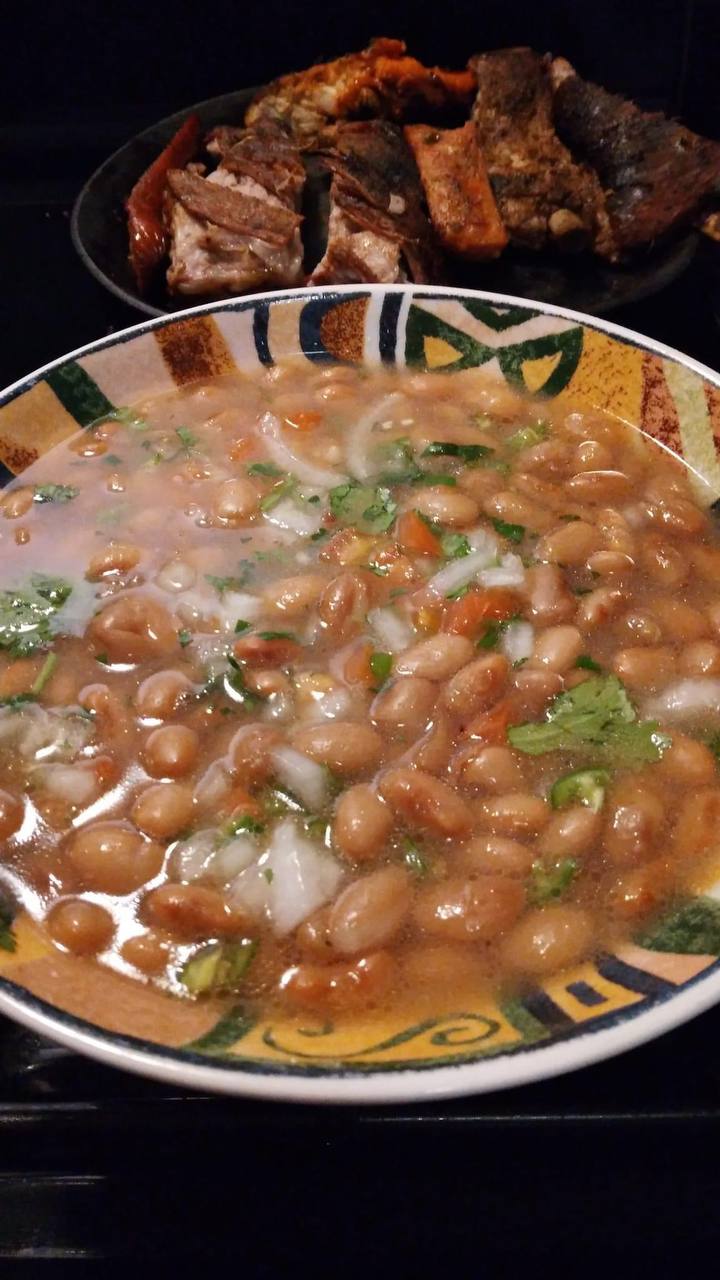
Why People Will Love Fresh Beans to eat with Pico de Gallo Recipe
Simple ingredients, big flavor: Only four ingredients go into the beans, yet slow cooking with garlic and olive oil gives them a deep, savory taste.
Creamy texture and flavorful broth: Long, gentle simmering makes the beans soft and velvety, with a rich cooking liquid perfect for sipping or dipping bread into.
Fresh, vibrant contrast: The cool, zesty pico de gallo balances the warm, earthy beans with crunch, acidity and a little heat.
Very budget-friendly: Dried beans are among the cheapest sources of protein, and one batch feeds a crowd.
Healthy and nourishing: Each serving is packed with fiber, plant protein, complex carbohydrates and heart-healthy fats from olive oil.
Plant-based and gluten-free: Naturally vegan, dairy-free and gluten-free, so it suits many diets.
No soaking required: The recipe cooks dried beans straight from the bag, which makes it easier to start on short notice.
Great for meal prep: The beans keep well in the fridge and freezer, and the pico stays fresh for days.
Endlessly versatile: Serve as a main, a side, a filling for tacos and burritos, or mash into refried beans.
Customizable heat: Adjust the jalapeño or serrano to make the pico mild for kids or fiery for spice lovers.
Key Ingredients
Dried pinto beans: The star of the dish. Pinto beans have a mild, earthy flavor and become exceptionally creamy when cooked, with thin skins that soften beautifully. Dried beans have better texture and flavor than canned, and they produce a rich broth.
Olive oil: A generous half cup adds body and silkiness to the broth and helps the beans taste rich without meat. It also contributes heart-healthy monounsaturated fats.
Garlic: Five cloves infuse the beans with a gentle, mellow savoriness as they simmer for hours, softening into the broth.
Salt: Essential for bringing out the beans’ natural flavor. Well-seasoned beans taste rich; under-salted beans taste flat.
Ripe red tomatoes: The base of the pico, providing juiciness, sweetness and freshness. Ripe, in-season tomatoes make the biggest difference.
White onion: Crisp and sharp, it adds crunch and bite. Marinating it briefly in lime and salt mellows its harshness.
Jalapeño or serrano pepper: Brings fresh, green heat. Serrano is hotter and sharper; jalapeño is milder and grassier.
Fresh lime juice: Adds bright acidity that ties the pico together and lifts the earthy beans.
Fresh cilantro: Contributes a fragrant, herbal, citrusy note that is the signature of a classic pico de gallo.
Expert Tips
Sort carefully: Spread the beans on a tray before rinsing to spot small stones, debris or shriveled beans more easily.
Use fresh dried beans: Beans that have sat in the pantry for over a year can take much longer to soften or never become fully tender. Buy from a store with high turnover.
Consider soaking: Soaking overnight (or a quick soak: boil 2 minutes, then rest covered for 1 hour) can shorten cooking time and help the beans cook more evenly. Discard the soaking water if you want to reduce gas-causing compounds.
Bring to a boil, then simmer: Start on high heat to bring the pot to a boil, then lower to a steady medium-low simmer. A hard, rolling boil can split the skins and make beans mushy on the outside but firm inside.
Keep the beans covered with water: Always keep at least an inch of liquid above the beans, and add hot (not cold) water when topping up so the cooking doesn’t stall.
Test several beans: Taste 4–5 beans for doneness. They should be creamy all the way through with no chalky center.
Adjust salt at the end: As the broth reduces, saltiness concentrates. Taste near the end and add more salt only if needed.
Thicken the broth naturally: Mash a cup of cooked beans against the side of the pot and stir them back in for a creamier, thicker broth.
Boost the flavor: Add a bay leaf, half an onion, a teaspoon of cumin or dried oregano, or a dried chile to the pot for extra depth.
Salt the onion first for pico: Marinating the onion and pepper in lime juice and salt for 5 minutes softens their bite and seasons them evenly.
Use a sharp knife for pico: A dull knife crushes tomatoes and makes the salsa watery. Clean, small, even dice gives the best texture.
Drain watery tomatoes: If your tomatoes are very juicy, scoop out some seeds and pulp before dicing to keep the pico fresh and crisp.
Pinto Beans
Ingredients
2 lb dried pinto beans
½ cup olive oil
5 garlic cloves, minced
1½ teaspoons salt
Instructions
Rinse the beans under cold water five times, picking out any small stones or broken beans as you go.
Place the rinsed beans in a large pot and pour in 13 cups of water.
Stir in the minced garlic, salt and olive oil.
Cook over medium heat for about 2 hours and 30 minutes, until the beans are tender. Stir now and then and add more hot water if the level drops too low.
Serve warm, topped with fresh pico de gallo.
Pico de Gallo
Ingredients
1 cup finely diced white onion (about 1 small onion)
1 medium jalapeño or serrano pepper, seeds and ribs removed, finely diced (use less or leave it out for a milder salsa, or add a second pepper for more heat)
¼ cup fresh lime juice
¾ teaspoon fine sea salt, plus more to taste
1½ lb ripe red tomatoes (about 8 small or 4 large), diced
½ cup finely chopped fresh cilantro (about 1 bunch)
Instructions
In a medium serving bowl, mix together the onion, jalapeño, lime juice and salt.
Let the mixture sit for about 5 minutes while you dice the tomatoes and chop the cilantro. This softens the sharp bite of the onion.
Add the tomatoes and cilantro to the bowl and stir until everything is evenly combined.
Taste and add a little more salt if the flavors seem flat.
For the best flavor, let the pico rest for at least 15 minutes, or refrigerate it for a few hours so the flavors can blend.
Serve it as a dip, or spoon it out with a slotted spoon or large fork so you leave most of the watery tomato juice behind.
Store leftovers covered in the refrigerator for up to 4 days.
Enjoy!
Important Notes When Making Fresh Beans to eat with Pico de Gallo
Cooking time varies: The 2½-hour time is an estimate. Age of the beans, altitude, water hardness and whether you soak them all affect cooking time. Cook until tender, not by the clock.
Acidic ingredients slow softening: Don’t add tomatoes, lime juice or vinegar to the pot while the beans cook, as acid keeps them firm. Add the pico only when serving.
Hard water can toughen beans: If your beans stay firm for a long time, hard water may be the cause. Using filtered water or a tiny pinch of baking soda can help.
Yield: 2 lb of dried beans makes roughly 12 cups of cooked beans, enough for about 12 servings.
Storage: Cooled beans keep in their broth for 4–5 days in the refrigerator or up to 6 months in the freezer. Pico de gallo keeps up to 4 days in the fridge, though it is crispest on the first day.
Food safety: Cool the beans within 2 hours of cooking and refrigerate in shallow containers.
Handle hot peppers carefully: Wear gloves or wash your hands well after chopping jalapeños or serranos, and avoid touching your eyes.
Dietary information: This recipe is naturally vegan, dairy-free, gluten-free and nut-free.
Digestive comfort: Beans are high in fiber. If you are not used to eating them, start with smaller portions and drink plenty of water.
How to Enjoy Fresh Beans to eat with Pico de Gallo After Cooking
Classic bowl: Ladle the warm beans with some of their broth into a bowl and top generously with pico de gallo. Use a slotted spoon for the pico so it doesn’t water down the broth.
Finishing touches: Add a drizzle of olive oil, a squeeze of lime, crumbled queso fresco or cotija, a spoonful of sour cream or Greek yogurt, sliced avocado or a few dashes of hot sauce.
With warm tortillas: Serve with warm corn or flour tortillas to scoop up the beans and pico, or make soft bean tacos.
Over rice: Spoon beans and broth over white rice, Mexican rice or brown rice for a hearty, complete meal.
As a side dish: Pair with grilled chicken, carne asada, fish tacos, enchiladas, fajitas or eggs.
For breakfast: Serve with fried or scrambled eggs and pico for a filling morning plate, similar to huevos rancheros.
Make refried beans: Mash leftover beans in a skillet with a little oil and some of their broth until creamy, then top with cheese.
Build burritos and bowls: Use as the base for burritos, quesadillas, nachos, tostadas or burrito bowls with rice, lettuce and pico.
With cornbread or crusty bread: Dip bread into the savory broth for a simple, rustic meal.
Drinks: Enjoy with agua fresca, iced tea, lime sparkling water or a cold Mexican beer.
Reheating: Warm on the stove over medium-low heat, adding a splash of water or broth if the beans have thickened in the fridge. Always add the pico cold and fresh on top.
Nutrition Information (per serving, about 1 cup beans with ⅓ cup pico de gallo; 12 servings)
Calories: 360 kcal | Total Fat: 10 g | Saturated Fat: 1.4 g | Monounsaturated Fat: 6.7 g | Polyunsaturated Fat: 1.3 g | Cholesterol: 0 mg | Sodium: 420–480 mg (depending on added salt) | Total Carbohydrates: 52 g | Dietary Fiber: 12.5 g | Sugars: 3.8 g | Protein: 16.5 g
Values are estimates and may vary depending on serving size, ingredient brands and how much broth is included.
Smart FAQs About This Recipe
Are pinto beans healthy?
Yes. Pinto beans are rich in fiber, plant protein, folate, iron, magnesium and potassium. They help keep you full, support digestion and have a low glycemic index, which means they release energy slowly.
Can I use canned pinto beans instead of dried?
You can. Use about 6 cans (15 oz each), rinse them well, and simmer with the garlic, oil and a reduced amount of salt plus 3–4 cups of water or broth for 20–30 minutes. The flavor will be good but the broth won’t be as rich as with dried beans.
Is this recipe vegan and gluten-free?
Yes. Both the beans and the pico de gallo contain only plant-based ingredients and no gluten. Just check that any toppings you add, such as cheese or sour cream, match your dietary needs.
Can I make the pico de gallo less spicy?
Absolutely. Remove all seeds and ribs from the pepper, use half a jalapeño, or leave it out completely. For more heat, keep some seeds or use a serrano instead.
What is the difference between pico de gallo and salsa?
Pico de gallo is a fresh, uncooked, chunky salsa made from diced tomatoes, onion, chiles, cilantro and lime, with very little liquid. Many other salsas are blended or cooked and have a smoother, saucier texture.
Why are my beans still hard after 2½ hours?
The beans may be old, your water may be hard, or the heat may be too low. Keep simmering, adding hot water as needed, and check every 20–30 minutes. Next time, buy fresher beans or soak them overnight before cooking.
Can I cook the beans in a pressure cooker or slow cooker?
Yes. In an Instant Pot, cook unsoaked beans with the same ingredients on high pressure for 45–50 minutes (25–30 minutes if soaked), then let the pressure release naturally. In a slow cooker, cook on low for 8–10 hours or high for 4–6 hours until tender. Use slightly less water in both methods.
Should I add salt at the beginning or the end?
Salting at the beginning, as this recipe does, seasons the beans all the way through and does not stop them from softening. Just taste again near the end, since the broth reduces and can become saltier.
How do I keep the pico de gallo from getting watery?
Use firm, ripe tomatoes such as Roma, remove some of the seeds and pulp, and salt shortly before serving. Serve with a slotted spoon, and drain any excess liquid before topping the beans.
Can I make this ahead of time?
Yes. The beans taste even better the next day as the flavors deepen. Make the pico a few hours ahead for the best flavor, up to 1 day in advance for peak freshness, and keep both refrigerated separately until serving.